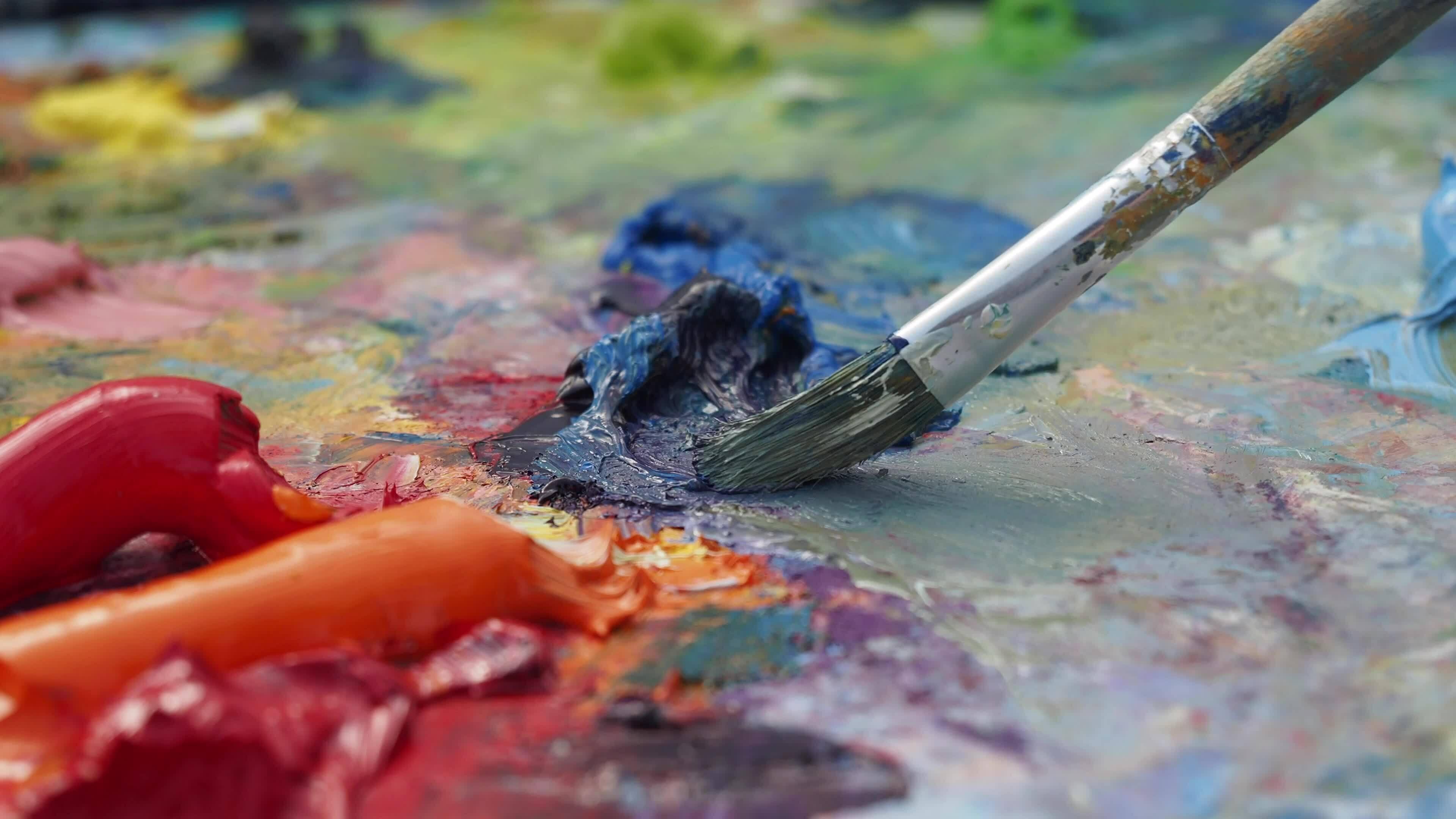
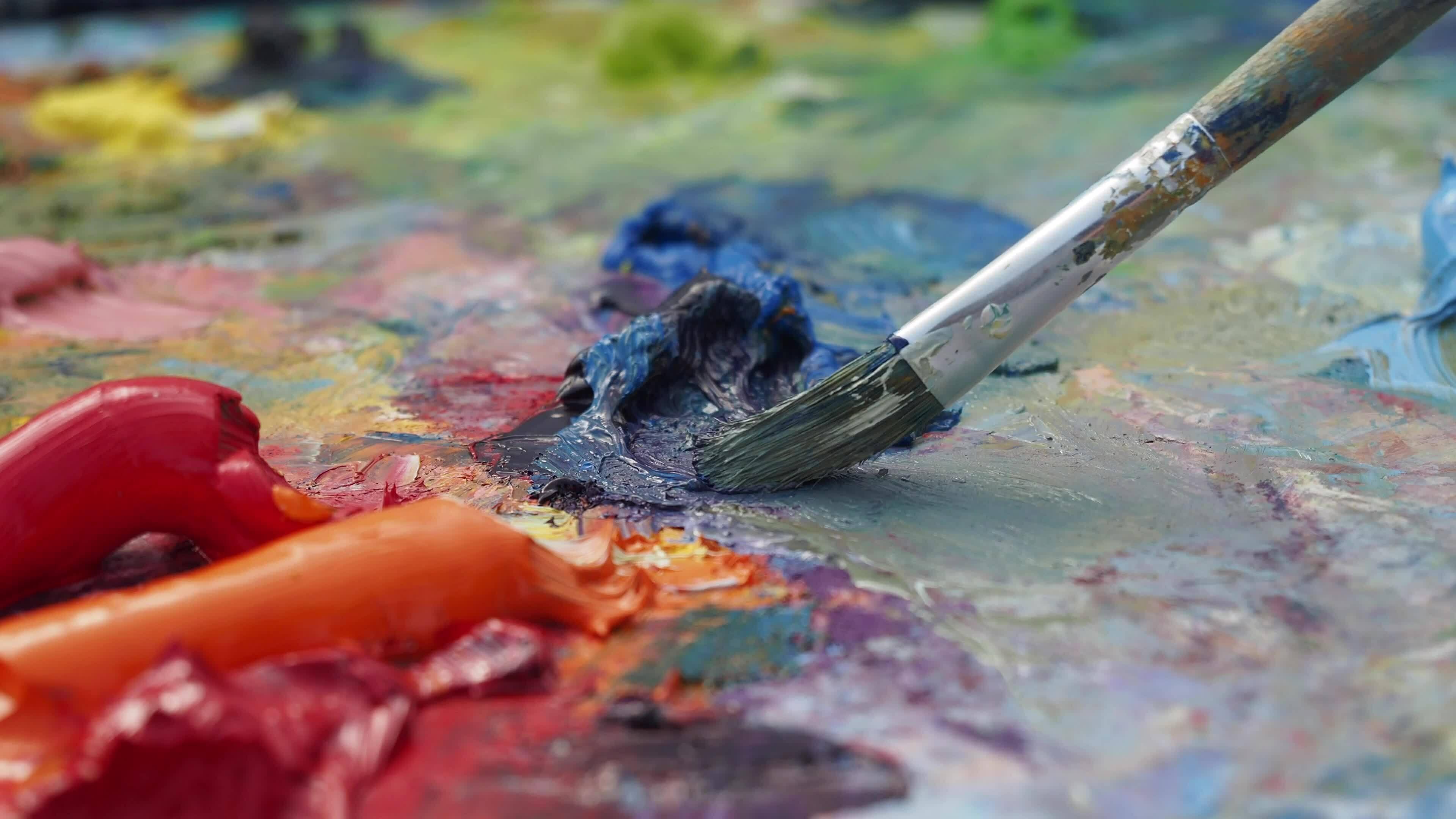
The Acrylic Painting Masterclass is a complete and structured program designed for beginners, intermediates, and aspiring professional artists who want to master acrylic painting from the ground up. This course brings together the theory of art fundamentals, hands-on techniques, professional workflow practices, and creative exercises to help learners express themselves confidently using acrylics. By the end of this masterclass, students will be able to create polished artworks, understand color behavior, and develop a unique personal style.
Module 1: Introduction to Acrylic Painting
The course begins with a comprehensive introduction to acrylics as a medium. Students learn what makes acrylic paints unique, how they compare to watercolor and oils, and why they are preferred for versatility and quick drying time. The module covers the history of acrylics, their modern usage in fine arts, mural painting, and mixed-media art.
Learners also explore different types of acrylic paints—heavy body, soft body, fluid acrylics, and acrylic inks—along with their applications. This module builds a strong understanding of the possibilities acrylic painting offers.
Module 2: Art Materials & Studio Setup
In this module, learners discover all essential materials needed for acrylic painting. Topics include:
Types of brushes and their uses (flat, round, filbert, angle, fan)
Canvas, canvas boards, paper, and other surfaces suitable for acrylics
Palette knives and their applications
Mediums and additives such as retarders, gels, modeling paste, matte and gloss mediums
Setting up a workspace, proper lighting, and safety measures
Students learn how to maintain their brushes, store paints, and organize tools for efficient workflow. This module ensures learners start their artistic journey fully equipped and confident.
Module 3: Fundamental Art Concepts
Before diving into complex techniques, learners build a strong foundation in essential art principles. This includes:
Color theory: primary, secondary, complementary, analogous, and triadic colors
Understanding hues, tints, tones, and shades
The color wheel and practical mixing techniques
Basics of composition, balance, depth, and focal points
Light, shadows, and value study
Students engage in hands-on exercises like painting value scales, creating simple color charts, and building mini compositions to understand artistic decision-making.
Module 4: Brush Techniques & Stroke Practice
This module focuses on developing control and confidence in handling brushes. Students practice:
Wet-on-wet and wet-on-dry techniques
Dry brushing
Layering and glazing
Scumbling for texture
Blending gradients smoothly
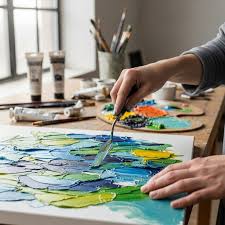
Creating textures using sponge, cloth, palette knife, and unconventional tools
Learners create small exercises like painting clouds, leaves, water strokes, and stone textures. These technique drills help students improve dexterity and understand how acrylics behave on different surfaces.
Module 5: Detailed Study of Acrylic Mediums
Acrylic mediums are powerful tools that completely transform the painting experience. In this module, learners experiment with:
Gloss & matte medium
Gel medium (soft, heavy, extra heavy)
Modeling paste for texture
Retarders for slow drying
Pouring medium for acrylic fluid art
Varnishes for final artwork protection
Students learn how each medium influences viscosity, texture, drying time, and finish. Projects include texture boards, gel-based abstract designs, and layered artworks using multiple mediums.
Module 6: Drawing for Painters
Good painting begins with strong drawing fundamentals. This module covers:
Gesture drawing
Perspective (one-point, two-point, aerial)
Proportion and scale
Sketching still life objects

 0.0 Average Ratings
 0 Reviews
 12 Years Experience
 Near Gachibowli Stadium, Gachibowli