
Piano for beginners
by Niharika
Experience:6 Yrs
Learning the guitar is one of the most rewarding musical journeys, and the Guitar for Beginners Course is designed to take absolute beginners from zero musical knowledge to confidentl...
by Niharika
Experience:6 Yrs
Learning the guitar is one of the most rewarding musical journeys, and the Guitar for Beginners Course is designed to take absolute beginners from zero musical knowledge to confidentl...
Learning the guitar is one of the most rewarding musical journeys, and the Guitar for Beginners Course is designed to take absolute beginners from zero musical knowledge to confidently playing songs, chords, melodies, and rhythm patterns. This comprehensive program follows a step-by-step approach, covering all practical techniques, music theory essentials, finger exercises, and guidance needed to build a strong foundation. By the end of this course, students will be able to play full songs, accompany themselves or others, and continue toward more advanced guitar skills with confidence.
Module 1: Introduction to Guitar Playing
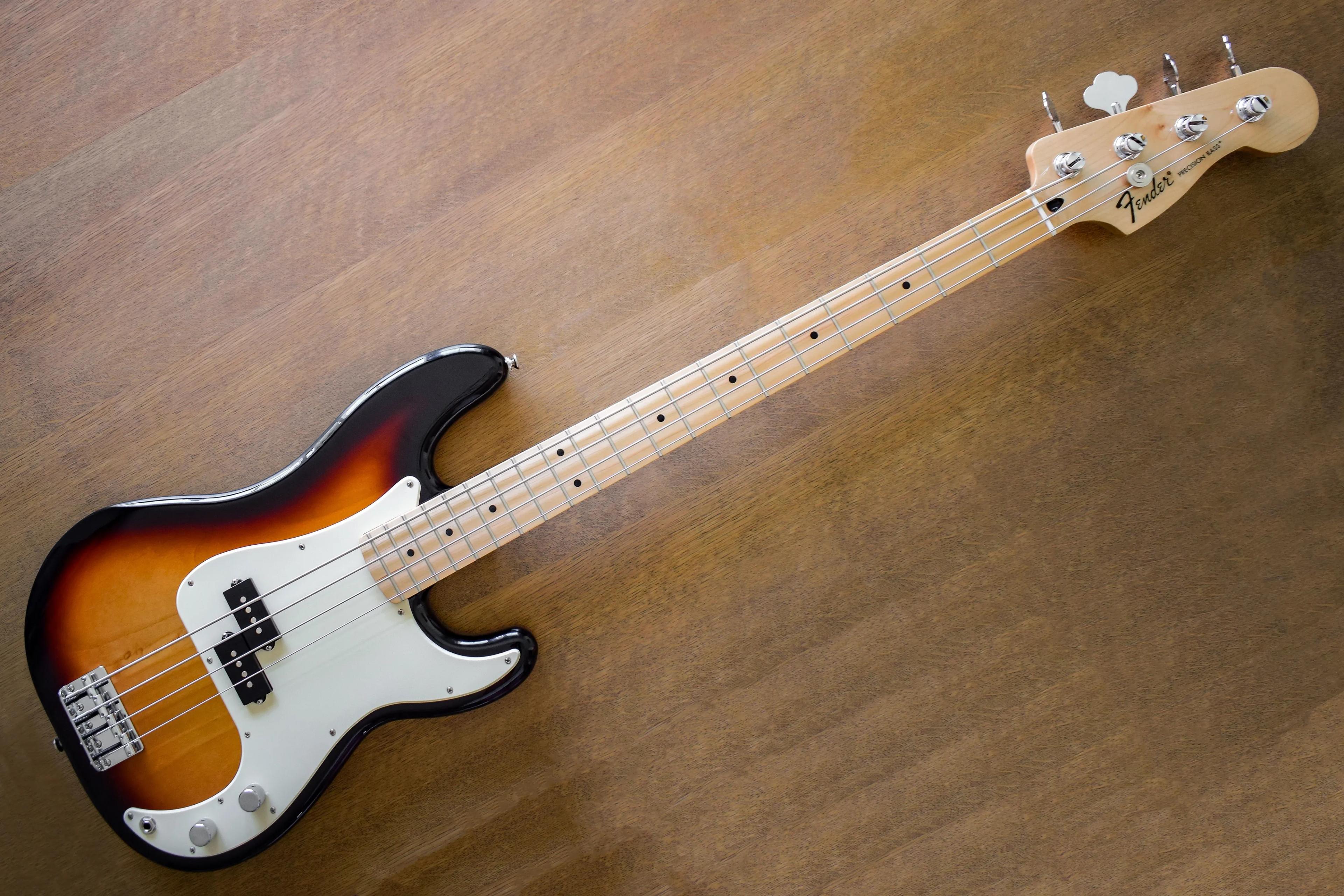
The course begins with a friendly introduction to the world of guitar. Students learn about the different types of guitars—acoustic, classical, and electric—and the features that make each style unique. This module covers understanding guitar parts such as the body, neck, bridge, frets, tuning pegs, sound hole, and strings. Students also learn about string numbering, finger numbering, and fretboard basics.
Additionally, this module includes how to hold the guitar properly, how to place your fingers, and the correct posture for sitting and standing. This ensures beginners avoid strain and develop healthy playing habits from the start.
Module 2: Understanding Guitar Accessories & Setup
Students are introduced to essential accessories: picks, capos, tuners, straps, metronomes, string winders, and guitar cases. They learn how to choose the right pick thickness, how to attach a strap, and how different accessories influence style and comfort.
The module also covers basic guitar maintenance—string cleaning, replacement, and storage. Learners are taught how to tune their guitar manually by ear and using digital apps. By mastering tuning early on, students develop a better sense of pitch and understanding of their instrument.
Module 3: Basic Music Theory for Guitarists
This module introduces simple, beginner-friendly music theory so that learners understand what they are playing. Topics include:
Musical alphabet (A to G)
Notes on the fretboard
Understanding beats, tempo, and rhythm
Basic introduction to scales
What chords are and how they are formed
Students learn how notes combine to form chords and how scales help create melodies. This foundational knowledge helps beginners develop musical awareness rather than just memorizing shapes.
Module 4: Essential Finger Exercises & Warm-ups
To build finger strength, flexibility, and coordination, students practice a series of beginner exercises. These include:
Chromatic finger exercises
Stretching techniques
Simple plucking patterns
Basic finger independence drills
These warm-ups help improve accuracy and prevent hand strain. Over the course duration, students gradually increase speed and precision with the help of a metronome.
Module 5: Open Chords for Beginners
One of the most important modules for new guitar players is learning open chords. Students learn:
C Major
A Minor
G Major
E Minor
D Major
A Major
E Major
They practice switching between chords smoothly and maintaining clear sound without buzzing or muting strings. Through simple exercises and strumming patterns, learners develop confidence in chord transitions—a skill essential for playing real songs.
Module 6: Strumming Patterns & Rhythm Control
Strumming is at the heart of guitar playing. In this module, students learn:
Downstroke and upstroke technique
Basic rhythm patterns (4/4, 3/4, 6/8)
Count-along rhythm practice
Using a metronome for timing
Common beginner strumming patterns for songs
Beginners practice easy strumming patterns such as D-D-U-U-D-U, which is widely used in popular music. They also learn how to match strumming to chord changes, helping them play their first complete songs.
Module 7: Playing Your First Songs
At this stage, students apply their chord and strumming knowledge to play full songs. The course includes simple, popular beginner songs across genres such as pop, rock, Bollywood, folk, and devotional music.
Learners practice:
Two-chord songs
Three-chord progressions
Simple four-chord songs like C-G-Am-F
Students gain confidence and musical enjoyment as they see quick results through real music.
Module 8: Introduction to Fingerstyle Playing
Fingerstyle is an enjoyable and important guitar technique. Beginners learn:
Basic fingerpicking rules
Using thumb and fingers correctly
Simple fingerpicking patterns (P-I-M-A technique)
Playing simple melodies with fingerstyle
Students practice simple arpeggios, fingerstyle patterns, and basic songs like lullabies or folk melodies. This module helps build dexterity and adds a new musical dimension to their guitar playing.
Module 9: Understanding the Fretboard
Even at beginner level, learning the fretboard is extremely beneficial. Students learn:
Natural notes on the low E and A strings
How to locate notes quickly
Simple fretboard memory techniques
This helps students move beyond open chords and prepares them for future intermediate topics such as barre chords and scales.
Module 10: Introduction to Scales & Melody Playing
Students are introduced to:
The C Major scale
The A Minor scale
Pentatonic scale basics
They learn how scales create melodies and practice simple riffs and tunes. Playing scales helps beginners improve finger movement, timing, and musical intuition.
Module 11: Rhythm & Timing Mastery
Students learn to develop strong musical timing using:
Clapping exercises
Metronome workouts
Tempo variation practice
Playing in different rhythmic feels
Timing is crucial for guitarists, especially when playing with others or recording music. This module ensures beginners build strong rhythmic control.
Module 12: Beginner Guitar Techniques
This module introduces fun techniques that improve musical expression:
Hammer-ons
Pull-offs
Slides
Simple bends
Muting with fretting and strumming hands
Students learn how techniques affect sound and emotion in songs, helping them play more expressively.
Module 13: Introduction to Popular Guitar Genres
Students explore how guitar is used across genres:
Pop
Rock
Folk
Country
Bollywood
Devotional
Indie & acoustic
They learn simple patterns and chord progressions that represent each style, helping them explore what kind of guitarist they want to become.
Module 14: Playing Along With Backing Tracks
To build confidence, students practice with backing tracks that simulate real musical settings. This helps learners:
Maintain rhythm
Play in sync with other instruments
Understand song structures
This module boosts performance confidence and prepares students for group playing or jamming.
Module 15: Final Project & Performance
Students complete the course by preparing:
One strumming-based song
One fingerstyle piece
One melody line or simple solo
They also learn basics of recording themselves, performing confidently, and continuing their guitar learning journey post-course.
Bts Music, Christian Hymns on Piano, Piano, Piano Keyboard Music Theory
 0.0 Average Ratings
 0 Reviews
 6 Years Experience
 Manjeera Commercial
Offline
50 hours
English, Tamil, Gujarati
Tirupati
On Call
Weekday

.webp)